Aftercare · June 20, 2026
Filler swelling and bruising: what's common, what's not
Most swelling is normal and temporary. Here's how to tell the difference from something worth a call.
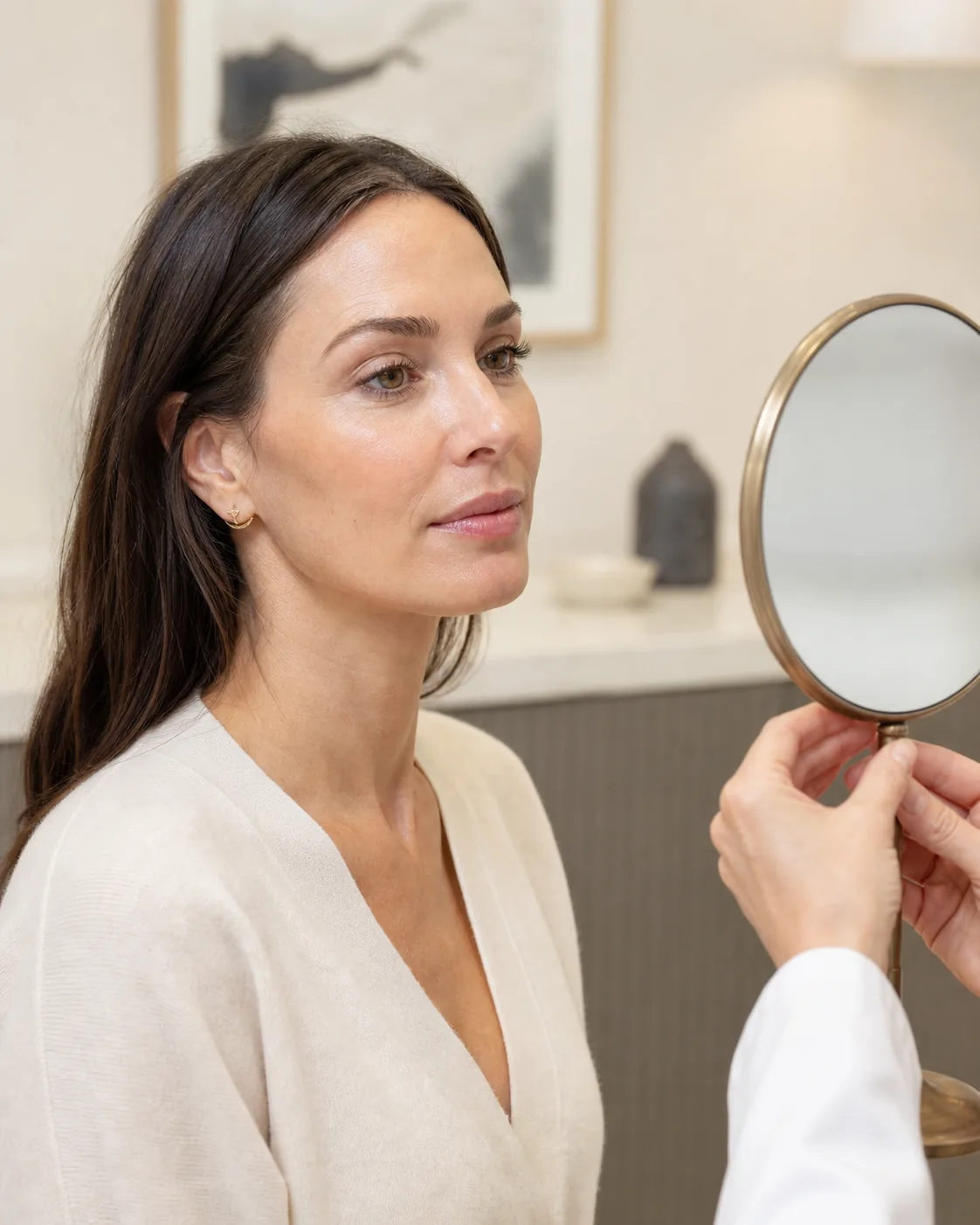
Swelling and bruising after filler are common enough that most experienced providers mention them before you even ask — but the range of "normal" is wider than people expect, and that can make it hard to know when something is actually worth a call.
Swelling: expect it, especially in certain areas
Lips tend to swell the most dramatically relative to their size, sometimes looking noticeably larger for the first 24 to 48 hours before settling closer to the intended result. Under-eye filler can also swell more than people expect, partly because the skin there is thin and prone to fluid retention. Cheek and jawline filler tend to show less dramatic swelling, though some is still typical.
Bruising depends more on individual factors than technique
Some people bruise easily from any injection, regardless of how skilled the injector is — blood-thinning medications, supplements like fish oil, and individual blood vessel patterns all play a role. Providers often suggest avoiding blood thinners, alcohol, and certain supplements for a few days before treatment specifically to reduce this risk, though it can't be eliminated entirely.
The general timeline
Most swelling peaks within the first 24 to 48 hours and resolves substantially within a week, sometimes with residual mild swelling lasting up to two weeks in areas like the lips. Bruising typically fades over five to ten days, following the same color progression as any other bruise.
What's actually worth a call to your provider
Significant pain (beyond mild tenderness), skin that looks unusually pale, mottled, or dusky rather than simply swollen, or symptoms that seem to be getting worse rather than better after the first couple of days are all reasons to contact your provider promptly. These are uncommon with a qualified injector, but worth knowing rather than dismissing.
Common Questions
Quick answers.
How can I reduce swelling after filler?+
Cold compresses (not direct ice) applied gently in the first 24 hours, keeping your head elevated, and avoiding excessive heat, alcohol, and strenuous exercise for a couple of days are the most commonly recommended steps.
Is it normal for one side to swell more than the other?+
Yes, asymmetric swelling is common and doesn't necessarily indicate an asymmetric result — it often resolves as swelling goes down evenly over the following days.
Keep Reading
Editorial context
This is general planning information from Metro Detroit Aesthetics, not an individual medical assessment. Ask an appropriately licensed provider about the treatment and product proposed for you.
Related patient resources
Updated October 10, 2026 · Editorial information, not individualized medical advice.